

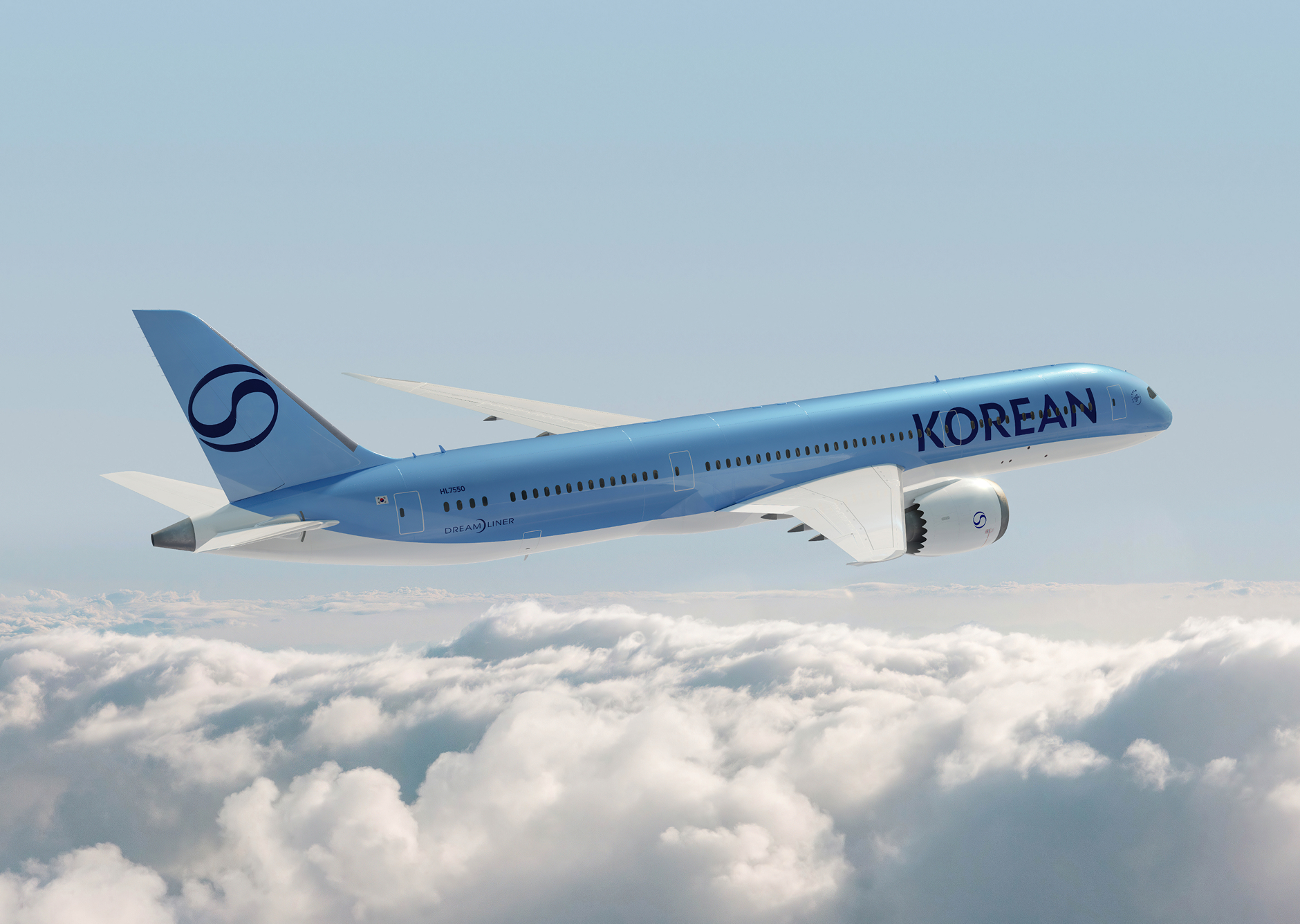
Reimagining a legacy airline for the digital age. Preserving decades of heritage while building systems that scale globally.
The Challenge
Korean Air is built on decades of trust and prestige. However, when we looked at their digital touchpoints, the experience lacked the consistency and scalability seen in their global competitors.
The real challenge wasn't just a visual refresh; it was about evolving a brand with deep heritage into a clear, systematic identity that could breathe and grow in a digital-first world without losing its soul.
Strategic Approach: Heritage-first, Not Trend-first
We moved away from chasing design trends. Instead, we went back to the roots of the brand to rebuild its meaning.
Our strategy was to maintain the core values passengers have trusted for generations while ensuring the brand felt clear and consistent for a global audience.
This is what I define as Heritage Transformation: defining the thinking behind the experience to bridge the gap between legacy and future.
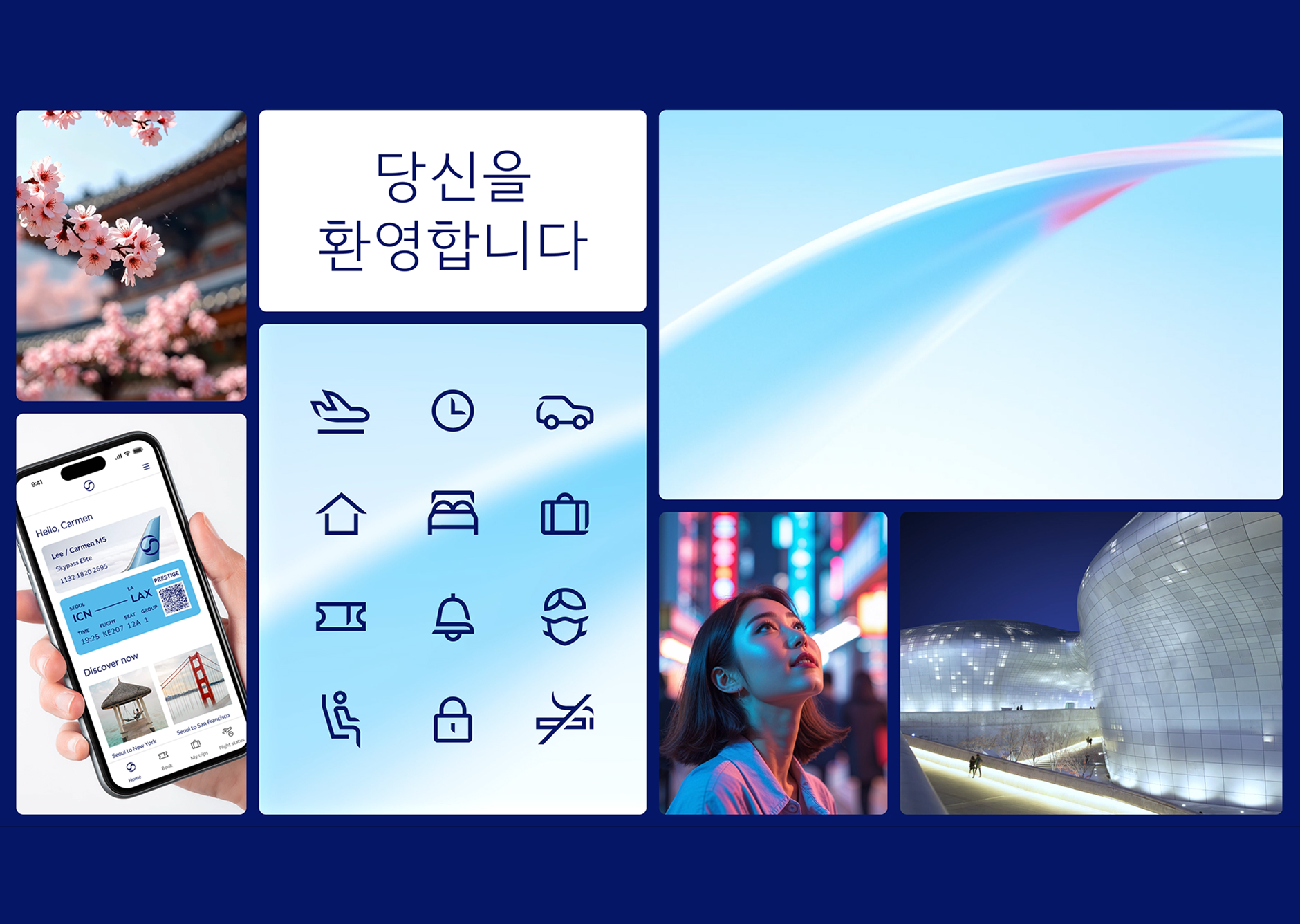
Systems Thinking Beyond Screens
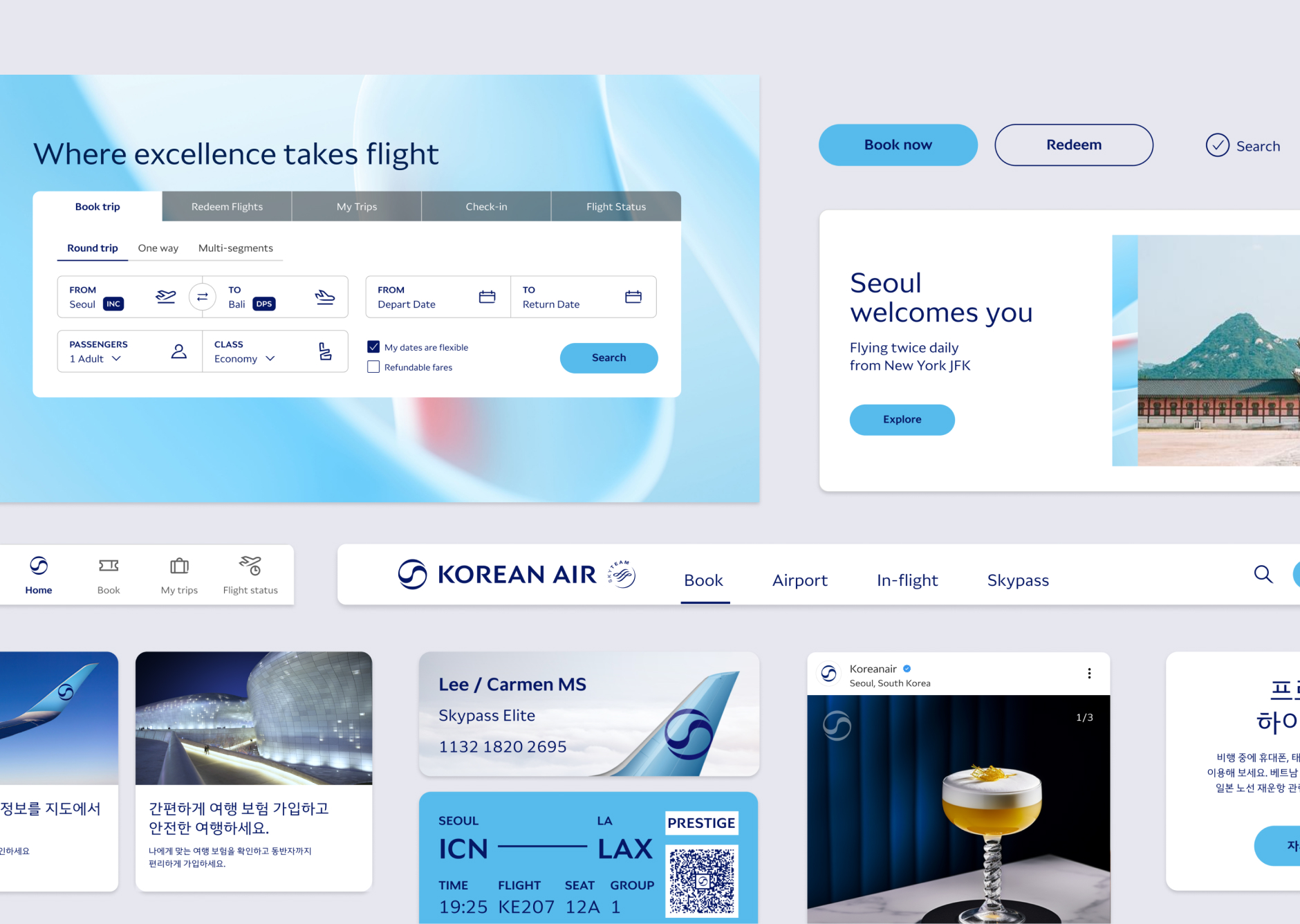
This wasn't just a UI project; it was about designing how the brand functions. We built a robust ecosystem from the ground up:
- Global Design Governance: From design language to components and tokens.
- Experience Architecture: A seamless bridge between digital and physical spaces.
- Scalable Systems: Ensuring the brand can scale across every platform effortlessly.
My Role
I owned the digital brand expression of Korean Air’s rebrand—translating core identity principles into scalable systems and experiences across web, app, and service touchpoints.
Working closely with brand, product, and engineering teams, I defined the design system foundations and experience frameworks that enabled consistent global rollout while respecting operational and cultural constraints.
Strategic Foundation
- Conducted comprehensive digital experience audit across all touchpoints
- Led competitive benchmarking against global airline leaders (Emirates, Singapore Airlines, Cathay Pacific)
- Defined strategic roadmap and vision for digital ecosystem evolution
System Architecture
- Architected unified design system for web and mobile platforms
- Established design governance framework and implementation guidelines
- Built scalable component library adopted across 12 regional markets
Design Execution
- Led design direction for flagship digital touchpoints (Website, Mobile App, Kiosk, Inflight)
- Partnered with cross-functional teams across Seoul, Singapore, Hong Kong and Sydney
- Partnered with engineering and product teams to ensure seamless implementation
- Mentored cross-functional design team throughout 12-month transformation
Creative Execution: One Identity, Many Platforms
The new identity acts as a single source of truth. Whether a passenger is on the website, using the mobile app, or checking in at a kiosk, they encounter the same high-quality, consistent brand "feel."
- Visual Cohesion: A unified look across Web, App, Inflight, and Kiosk.
- Emotional Connection: Ensuring the brand’s premium touch is felt at every functional touchpoint.
Global Rollout & Cultural Relevance
The system was designed for global scale. It allows the brand to stay culturally relevant in diverse markets while keeping the core message recognizable anywhere in the world. It’s a balance of being globally consistent but locally resonant.
Recognized Impact
Grand Accolade & Gold: Redefining Modern Korean Elegance through a Scalable Digital Ecosystem
Winning the Grand Accolade (Best Overall Visual Identity) for Korean Air was more than just a win for "good design."
It was a validation of our strategic thinking and the power of a well-architected system.
Measurable Outcomes
We don’t just evaluate aesthetics; we look at how the brand performs:
- Unified Global Experience: Zero fragmentation across international markets.
- Operational Efficiency: Dramatically improved reusability across platforms.
- Future-proof Scalability: A foundation that allows for rapid expansion and new service rollouts.
What This Means
This project is the ultimate case study for Brand Ecosystems. It’s not just a redesign; it’s a vertical integration of Identity → System → Experience.
At its core, this work:
- Respects the Past (Heritage)
- Fixes the Present (User Experience)
- Builds for the Future
My focus was ensuring the brand didn’t just look new, but worked better at scale.